fbpx

Understanding Overflow and Constipation: What You Need to Know.

Constipation is a common digestive complaint, affecting people of all ages. But what happens when constipation leads to something even more complicated? One such condition is overflow incontinence—a lesser-known but important issue often misunderstood or overlooked.

In this post, we’ll break down what overflow and constipation mean, how they are related, and what you can do to manage or prevent them.


What Is Constipation?

Constipation occurs when bowel movements become infrequent or difficult to pass. It’s generally defined as having fewer than three bowel movements per week. Stool can become hard and dry, making it painful to pass.

Common causes of constipation include:

  • Low fiber diet
  • Inadequate fluid intake
  • Lack of physical activity
  • Certain medications (e.g., opioids, iron supplements)
  • Medical conditions like hypothyroidism, IBS, or neurological disorders

What Is Overflow?

Overflow fecal incontinence happens when the rectum becomes so full due to chronic constipation that it stretches and weakens over time. Eventually, liquid stool from higher up in the intestines leaks around the impacted stool and escapes involuntarily.

This can be confusing because it may seem like diarrhea. But in reality, it’s the body’s way of dealing with a blockage caused by impacted stool.

Signs of overflow incontinence include:

  • Frequent leaking of stool (especially liquid)
  • A feeling of incomplete evacuation
  • Abdominal discomfort or bloating
  • Episodes of soiling underwear without awareness

Who’s at Risk?

Anyone with chronic constipation is at risk for overflow incontinence, but certain groups are more vulnerable:

  • Older adults
  • Individuals with limited mobility
  • People with neurological conditions (e.g., Parkinson’s disease, spinal cord injury)
  • Children with chronic stool withholding

Diagnosis and Treatment

A proper diagnosis is key. This may involve a physical exam, abdominal X-rays, or a digital rectal exam. In some cases, a referral to a gastroenterologist is necessary.

Treatment focuses on:

  1. Clearing the impaction – This may involve enemas, suppositories, or oral laxatives under medical supervision.
  2. Establishing regular bowel habits – Encourage routine toilet times, especially after meals.
  3. Dietary changes – Increase fiber (fruits, vegetables, whole grains) and fluids.
  4. Medications – Stool softeners or gentle laxatives may be prescribed.
  5. Behavioral interventions – For children or patients with cognitive impairments, behavioral therapy may help reduce stool withholding.

Prevention Tips

Preventing overflow and constipation is always better than treating it:

  • Stay hydrated – Aim for at least 6–8 glasses of water daily.
  • Eat fiber-rich foods – Target 20–30 grams of fiber per day.
  • Move your body – Physical activity stimulates digestion.
  • Don’t ignore the urge – Holding it in can lead to problems.
  • Routine helps – Especially for children and elderly individuals.

When to See a Healthcare Provider

If you or a loved one experiences persistent constipation, stool leakage, or abdominal discomfort, don’t ignore it. Early treatment can prevent complications like fecal impaction, hemorrhoids, or overflow incontinence.

At Sheehan Health, we’re here to help you manage your digestive health with compassion and expertise. Schedule an appointment with one of our providers today.


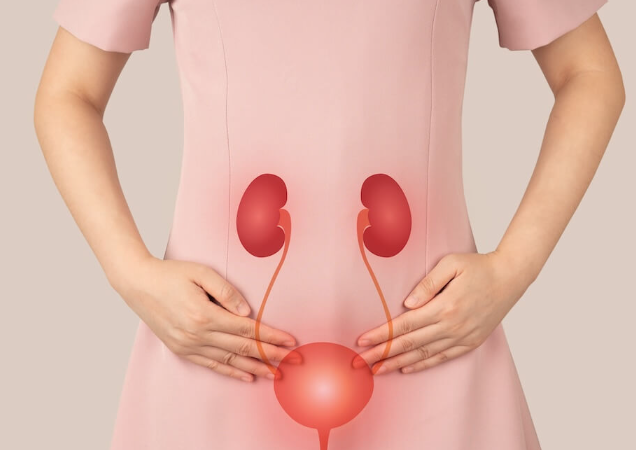
The Importance of a Bladder Diary for Better Urinary Health

A bladder diary is a simple yet powerful tool for monitoring your urinary habits and identifying potential health concerns. Whether you’re experiencing incontinence, frequent urination, or other bladder-related issues, keeping a detailed record can help you and your healthcare provider pinpoint the cause and develop an effective treatment plan.

What Is a Bladder Diary?

A bladder diary is a daily log where you record essential details about your urinary habits, including:

  • The time and amount of each urination
  • Fluid intake (type and quantity)
  • Instances of urgency or incontinence
  • Activities or triggers before symptoms occur
  • Any leakage episodes

Why Is a Bladder Diary Important?

A bladder diary provides valuable insights into your bladder health, helping to:

  1. Identify Patterns and Triggers By tracking your daily fluid intake and urination habits, you can recognize triggers that may be worsening your symptoms, such as caffeine, alcohol, or specific activities.
  2. Assist in Diagnosing Bladder Conditions A bladder diary helps healthcare providers diagnose conditions like overactive bladder (OAB), urinary incontinence, interstitial cystitis, or urinary tract infections (UTIs).
  3. Improve Treatment Effectiveness Your doctor can use the information from your bladder diary to tailor a treatment plan, which may include lifestyle changes, bladder training, pelvic floor exercises, or medications.
  4. Monitor Progress Over Time Keeping a bladder diary allows you to track improvements and adjust your habits accordingly, ensuring long-term bladder health.

How to Keep an Effective Bladder Diary

To maximize the benefits of a bladder diary, follow these best practices:

  • Record entries consistently for at least 3–7 days.
  • Be honest and thorough in your recordings.
  • Note any relevant medications or lifestyle changes.
  • Share your bladder diary with your healthcare provider for proper analysis.

Take Control of Your Bladder Health

If you struggle with urinary symptoms, a bladder diary can be a game-changer. It provides critical insights into your habits and helps guide your healthcare provider toward the best treatment options. Start your bladder diary today and take proactive steps toward better urinary health!

For expert guidance and personalized treatment, contact us to schedule a consultation.

Neurogenic Bladder Management: Effective Strategies for Improved Quality of Life

Neurogenic bladder is a condition that affects bladder control due to nerve damage. It can result from neurological disorders such as spinal cord injuries, multiple sclerosis, stroke, Parkinson’s disease, or diabetes. Managing neurogenic bladder effectively is crucial to prevent complications such as urinary tract infections (UTIs), kidney damage, and incontinence. In this article, we explore various treatment strategies to improve bladder function and overall well-being.

Understanding Neurogenic Bladder

Neurogenic bladder occurs when the nerves that control the bladder’s function are disrupted. This can lead to two primary issues:

  • Overactive bladder (OAB): The bladder contracts involuntarily, causing frequent urination and urgency.
  • Underactive bladder (UAB): The bladder muscles fail to contract properly, leading to difficulty in emptying the bladder completely.

Treatment Options for Neurogenic Bladder

Effective management of neurogenic bladder involves a combination of lifestyle changes, medications, medical procedures, and assistive devices. Here are some of the most effective treatment options:

1. Behavioral and Lifestyle Modifications

  • Scheduled voiding: Establishing a consistent urination schedule can help manage symptoms.
  • Bladder training: Gradually increasing the time between urinations can improve bladder control.
  • Pelvic floor exercises: Strengthening pelvic muscles through Kegel exercises can enhance bladder function.
  • Dietary adjustments: Reducing caffeine, alcohol, and acidic foods can minimize bladder irritation.
  • Hydration management: Drinking adequate water while avoiding excessive intake before bedtime can help regulate bladder function.

2. Medications

  • Anticholinergics and Beta-3 agonists: These medications help relax the bladder muscles to prevent involuntary contractions.
  • Alpha-blockers: Used primarily in men, these drugs help relax the bladder neck and improve urine flow.
  • Botox injections: Injecting botulinum toxin into the bladder can help reduce overactivity and incontinence.

3. Catheterization Techniques

  • Intermittent catheterization: Patients insert a catheter periodically to empty the bladder and prevent urinary retention.
  • Indwelling catheters: A long-term solution for those who cannot self-catheterize.
  • Suprapubic catheters: Surgically inserted into the bladder for continuous drainage.

4. Surgical Interventions

  • Bladder augmentation: A procedure that increases bladder capacity using intestinal tissue.
  • Urinary diversion: A method to redirect urine flow when the bladder cannot function properly.
  • Artificial urinary sphincter: A device implanted to aid in urine retention and release control.

5. Nerve Stimulation Therapies

  • Sacral neuromodulation (SNM): A small device implanted near the sacral nerves to improve communication between the brain and bladder.
  • Tibial nerve stimulation (TNS): A non-invasive therapy that helps regulate bladder function by stimulating nerves in the ankle.

Preventing Complications

To prevent complications associated with neurogenic bladder, it is essential to maintain a proactive approach. Key prevention strategies include:

  • Practicing good hygiene to reduce infection risks.
  • Monitoring urine output and signs of infection.
  • Adhering to prescribed treatment plans.
  • Seeking regular medical check-ups.

Conclusion

Managing neurogenic bladder effectively requires a multidisciplinary approach tailored to individual needs. By combining behavioral strategies, medications, medical interventions, and preventive care, patients can improve their quality of life and reduce complications. If you or a loved one is experiencing neurogenic bladder symptoms, consult a healthcare provider to determine the best management plan.

Pelvic Floor Bladder Training: A Comprehensive Guide to Better Bladder Control

Introduction:

Bladder control issues, including incontinence, affect millions of people worldwide, impacting their quality of life. One highly effective approach to managing these issues is pelvic floor bladder training. This method not only strengthens the pelvic muscles but also retrains the bladder to reduce the frequency and urgency of urination. In this post, we’ll explore the benefits of pelvic floor bladder training, techniques to get started, and tips for success.

What is Pelvic Floor Bladder Training?

Pelvic floor bladder training is a process that involves exercises and behavioral techniques designed to strengthen the pelvic floor muscles and improve bladder control. The pelvic floor is a group of muscles and tissues that support the bladder, uterus, and bowels. When these muscles are weak, it can lead to bladder control issues, including stress incontinence and urge incontinence.

Benefits of Pelvic Floor Bladder Training:

  1. Improved Bladder Control: Strengthening the pelvic floor muscles can help you gain better control over your bladder, reducing leaks and the urgency to urinate.
  2. Reduced Incontinence: Regular pelvic floor exercises can significantly decrease the frequency of both stress and urge incontinence episodes.
  3. Enhanced Quality of Life: By gaining better bladder control, you can enjoy more freedom and confidence in your daily activities.

How to Start Pelvic Floor Bladder Training:

  1. Identify Your Pelvic Floor Muscles:
    • The first step is to locate the right muscles. One way to do this is by stopping your urine midstream. The muscles you use are your pelvic floor muscles. However, don’t make a habit of doing this while urinating, as it can lead to incomplete bladder emptying.
  2. Perform Kegel Exercises:
    • Kegel exercises are the cornerstone of pelvic floor training. To do them, contract your pelvic floor muscles, hold for 3-5 seconds, and then relax for the same amount of time. Repeat this process 10-15 times per session, and aim to do 3 sessions a day.
  3. Bladder Training Techniques:
    • Timed Voiding: Set a schedule for bathroom visits, starting with every 1-2 hours, even if you don’t feel the urge. Gradually increase the time between visits to train your bladder to hold more urine.
    • Delayed Urination: When you feel the urge to urinate, try to delay going to the bathroom for a few minutes. Over time, extend the delay by 5-10 minutes to increase your bladder’s capacity.
  4. Stay Consistent:
    • Like any exercise regimen, consistency is key. Practice your pelvic floor exercises and bladder training techniques daily for the best results.

Tips for Success:

  • Stay Hydrated: Drink plenty of water throughout the day, but try to avoid caffeine and alcohol, which can irritate the bladder.
  • Maintain a Healthy Weight: Excess weight can put additional pressure on your bladder, making incontinence worse.
  • Be Patient: Results from pelvic floor bladder training can take a few weeks to a few months, so don’t get discouraged if you don’t see immediate improvements.

Conclusion:

Pelvic floor bladder training is a simple yet powerful method for improving bladder control and reducing incontinence. By incorporating these exercises and techniques into your daily routine, you can take control of your bladder health and enhance your overall well-being. If you’re experiencing persistent bladder control issues, it’s always a good idea to consult with a healthcare professional for personalized advice and treatment options.