
ADHD in Adults: Symptoms and Coping Strategies
ADHD in adults

ADHD in adults

Learn what urinary retention is, its common causes, symptoms, and treatment options. Understand when it’s time to seek medical help and how early diagnosis can prevent complications.

Discover practical ways to protect your mental health during the busy Christmas holidays. Learn how to reduce stress, set boundaries, manage expectations, and enjoy a calmer, more meaningful festive season.

Learn how neurogenic bowel management helps people with spinal cord injury, multiple sclerosis, and other neurological conditions maintain regular bowel movements and improve quality of life.

Pelvic floor bladder training
Bladder control exercises
Pelvic floor therapy
Urinary incontinence treatment
Kegel exercises for women
Overactive bladder solutions
Pelvic floor physiotherapy

Enemas have been used for centuries to cleanse the body, treat constipation, and promote overall health. But in today’s world, they’re often met with confusion or skepticism. If you’ve ever wondered what an enema is, how it works, or whether it might be right for you, you’re not alone.
In this blog post, we’ll explore the benefits, safety, and key considerations when it comes to enemas, all while providing helpful information to ensure you make the best choices for your health.
An enema is a procedure that involves the introduction of liquid into the rectum and colon via the anus. The goal is usually to relieve constipation, cleanse the colon, or prepare the body for medical procedures like a colonoscopy.
While the most common type of enema involves water, various solutions such as saline, herbal infusions, or even coffee can be used for different health benefits. The liquid helps to soften stool, stimulate bowel movements, and cleanse the lower gastrointestinal tract.
When used properly and occasionally, enemas are generally considered safe. However, like any medical intervention, they should be used with care. Overuse of enemas can lead to dependency, where your bowel no longer functions effectively on its own without the help of external stimulation.
Here are some safety tips to keep in mind:
Enemas can come in many different forms depending on your specific health needs:
Enemas aren’t for everyone, but they can be helpful for certain individuals who experience:
Enemas can be a helpful tool for managing constipation and promoting colon health when used correctly. They’re generally safe, but they should be used cautiously and in moderation. Whether you’re looking to relieve occasional constipation or prepare for a medical procedure, understanding how enemas work and how to use them safely can help you make informed decisions.
If you’re unsure whether an enema is right for you, consult with your healthcare provider to discuss your options. Remember, a healthy diet, regular physical activity, and proper hydration remain key factors in supporting long-term digestive health.
Feel free to share this blog post with friends or family who may benefit from learning about the health benefits of enemas. Always prioritize your health, and when in doubt, ask a professional!
Constipation is a common digestive complaint, affecting people of all ages. But what happens when constipation leads to something even more complicated? One such condition is overflow incontinence—a lesser-known but important issue often misunderstood or overlooked.
In this post, we’ll break down what overflow and constipation mean, how they are related, and what you can do to manage or prevent them.
Constipation occurs when bowel movements become infrequent or difficult to pass. It’s generally defined as having fewer than three bowel movements per week. Stool can become hard and dry, making it painful to pass.
Common causes of constipation include:
Overflow fecal incontinence happens when the rectum becomes so full due to chronic constipation that it stretches and weakens over time. Eventually, liquid stool from higher up in the intestines leaks around the impacted stool and escapes involuntarily.
This can be confusing because it may seem like diarrhea. But in reality, it’s the body’s way of dealing with a blockage caused by impacted stool.
Signs of overflow incontinence include:
Anyone with chronic constipation is at risk for overflow incontinence, but certain groups are more vulnerable:
A proper diagnosis is key. This may involve a physical exam, abdominal X-rays, or a digital rectal exam. In some cases, a referral to a gastroenterologist is necessary.
Treatment focuses on:
Preventing overflow and constipation is always better than treating it:
If you or a loved one experiences persistent constipation, stool leakage, or abdominal discomfort, don’t ignore it. Early treatment can prevent complications like fecal impaction, hemorrhoids, or overflow incontinence.
At Sheehan Health, we’re here to help you manage your digestive health with compassion and expertise. Schedule an appointment with one of our providers today.

A bladder diary is a simple yet powerful tool for monitoring your urinary habits and identifying potential health concerns. Whether you’re experiencing incontinence, frequent urination, or other bladder-related issues, keeping a detailed record can help you and your healthcare provider pinpoint the cause and develop an effective treatment plan.
A bladder diary is a daily log where you record essential details about your urinary habits, including:
A bladder diary provides valuable insights into your bladder health, helping to:
To maximize the benefits of a bladder diary, follow these best practices:
If you struggle with urinary symptoms, a bladder diary can be a game-changer. It provides critical insights into your habits and helps guide your healthcare provider toward the best treatment options. Start your bladder diary today and take proactive steps toward better urinary health!
For expert guidance and personalized treatment, contact us to schedule a consultation.
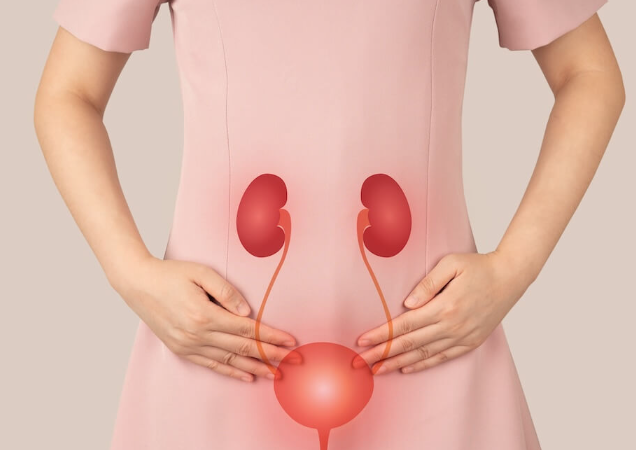
Neurogenic bladder is a condition that affects bladder control due to nerve damage. It can result from neurological disorders such as spinal cord injuries, multiple sclerosis, stroke, Parkinson’s disease, or diabetes. Managing neurogenic bladder effectively is crucial to prevent complications such as urinary tract infections (UTIs), kidney damage, and incontinence. In this article, we explore various treatment strategies to improve bladder function and overall well-being.
Neurogenic bladder occurs when the nerves that control the bladder’s function are disrupted. This can lead to two primary issues:
Effective management of neurogenic bladder involves a combination of lifestyle changes, medications, medical procedures, and assistive devices. Here are some of the most effective treatment options:
To prevent complications associated with neurogenic bladder, it is essential to maintain a proactive approach. Key prevention strategies include:
Managing neurogenic bladder effectively requires a multidisciplinary approach tailored to individual needs. By combining behavioral strategies, medications, medical interventions, and preventive care, patients can improve their quality of life and reduce complications. If you or a loved one is experiencing neurogenic bladder symptoms, consult a healthcare provider to determine the best management plan.

chronic constipation, constipation symptoms, fiber diet, hydration, digestive health, constipation treatment, bowel movements, constipation relief, abdominal pain