fbpx

Pain Assessment in Dementia Care

The first step in assuring quality pain care is good and appropriate pain assessment. The challenges of recognizing pain in cognitively impaired older persons can be particularly difficult.

• Every older adult has the right to appropriate assessment and management of pain. Pain should be assessed in all individuals living in nursing homes.
• Pain is always subjective. Therefore, the individual’s self-report of pain1 is the single most reliable indicator of pain. The clinician needs to accept and respect this self-report.
• Physiological and behavioral (objective) signs of pain (e.g., tachycardia, grimacing) are neither sensitive nor specific for pain. Such observations should not replace individual self-report unless the individual is unable to communicate.
• Assessment approaches, including tools, must be appropriate for the individual. Special considerations are needed for those with difficulty communicating. Family members should be included in the assessment process, when possible.
• Pain can exist even when no physical cause can be found. Thus, pain without an identifiable cause should not be routinely attributed to psychological causes or discounted.
• Different levels of pain in response to the same stimulus may be experienced by individuals; that is, a uniform pain threshold does not exist.
• Pain tolerance varies among and within individuals depending on factors including heredity, energy level, coping skills, and prior experiences with pain.
• Individuals with chronic pain may be more sensitive to pain and other stimuli.
• Unrelieved pain has adverse physical and psychological consequences. Therefore, clinicians should encourage the reporting of pain by individuals who are reluctant to discuss pain, deny pain when it is likely present, or fail to follow through on prescribed treatments.
• Pain is an unpleasant sensory and emotional experience, so assessment should address both physical and psychological aspects of pain.

Nursing Health Assessment

There are many components to a comprehensive health assessment. Before beginning the assessment, nurses should try to develop a rapport with their patients, introducing themselves, explaining what they will be doing during the assessment, and why. Depending on the setting or reason for the visit, the patient may be anxious, and establishing a rapport can help put the person at ease. Social, cultural and behavioural factors influencing the patient’s health are also important to keep in mind.
A comprehensive health assessment usually begins with a health history, which includes information about the patient’s past illnesses or injuries (including childhood illnesses and immunizations), hospitalizations, surgeries, allergies and chronic illnesses. It also includes finding out about diseases that run in the patient’s family.
During the health history component of an assessment, the patient is asked to describe his or her symptoms, when they started, and how they developed before moving on to the physical exam. The physical exam begins with a complete set of vital signs (blood pressure, heart rate, respiratory rate and temperature).
Once the comprehensive health assessment has been performed, the next step is to put all of the information together, analyzing the objective and subjective data and developing a care plan.

STAYING GROUNDED IN TODAYS TIMES….

STAYING GROUNDED IN TODAYS TIMES….
While we all wish we could help stop the spread of the disease and comfort everyone we see, there is only so much within our control. Here are some steps we can take right now to help take care of yourself and those around you.
1. Practice gratitude.
It’s easy to succumb to statements such as, “What is the world coming to?” or “It’s someone’s fault- this could have been avoided,” or “I’ve lost faith in humanity,” and more. Instead, make a point to observe and even write down one good thing that happened today. Did someone go out of their way to be kind to you? Did your supervisor thank you for stepping up to the plate in this time of crisis? Take note of it all.

2. Appreciate life’s simple pleasures.
The best things in life are free. With the warmer weather on the way, and some sunny days ahead of us, getting outside is a healthy choice. Take time to appreciate the solitude around you. Notice the tulips that are beginning to emerge. Soak in the warmth of the sun beating down your back.

3. Take a break.
Turn off the noise—turn off the news—and don’t feel guilty about it. While we want to stay informed, there is also lots of misinformation out there. Social media can cause unnecessary—and avoidable—anxiety. If your life starts to feel like a record on replay, give yourself permission to switch gears and focus on something completely different.

4. Connect with others.
This is the true test of using the Internet and social media mindfully. It’s more than possible to practice social distancing and still maintain relationships with friends and family. I keep in touch daily with my family in Italy thanks to WhatsApp, for example.

5. Be the change you want to see in the world.
Gandhi had a point. While we can and should exercise an overabundance of caution, take the time to remind yourself that you have the privilege of setting a positive example. What do we want to teach our children? Appreciation and generosity, or paranoia and greed? Of course, there is a line, but please be mindful.

Now is the time to harness the power of stories—pull out the children’s books—especially the ones that convey an important message. Some of my personal favorites are The Giving Tree by Shel Silverstein and I Will Love You Forever by Caroline Church. (Note: tissues are a must.)

6. Prioritize your mental and emotional health.
You may feel all kinds of emotions—you may be struggling significantly. That’s okay. Many mental health professionals around the world are working with their clients to arrange for virtual appointments. If you’re currently seeing a counselor, take advantage of that opportunity. If you’re looking for support, there is help out there.*

Staying grounded and staying in the present moment with deep breathing and exercise routines can also help ground you. If you’re interested in meditation, there are many free or low-cost resources available for download..

7. Stay active.
When fitness centers everywhere are closed, don’t give up on your exercise routine… create a new one! YouTube is a great source for free workout videos. All you need is some comfortable clothing and maybe a yoga mat. A brisk walk or jog outside is always a good idea, but remember to follow social distancing guidelines.

8. Make the best of it and have fun.
If you’re staying at home, get creative. Board games, puzzles and scrapbooking never go out of style. Let out your feelings in a poem if writing is your outlet. Unleash your inner chef and see what recipes you can come up with using canned beans and dried goods. Music is a mood booster, so pump some tunes and dance. The possibilities are endless.

9. Lend an ear and be kind.
We’re all going through this together. Try to take comfort in the fact that you’re not alone and use that comfort to be there for someone else. Ask how their day was or if there’s anything they need or wish to talk about. If you have friends on the “frontlines,” such as healthcare workers, reporters or public officials, thank them. A little bit of gratitude can go a long way.

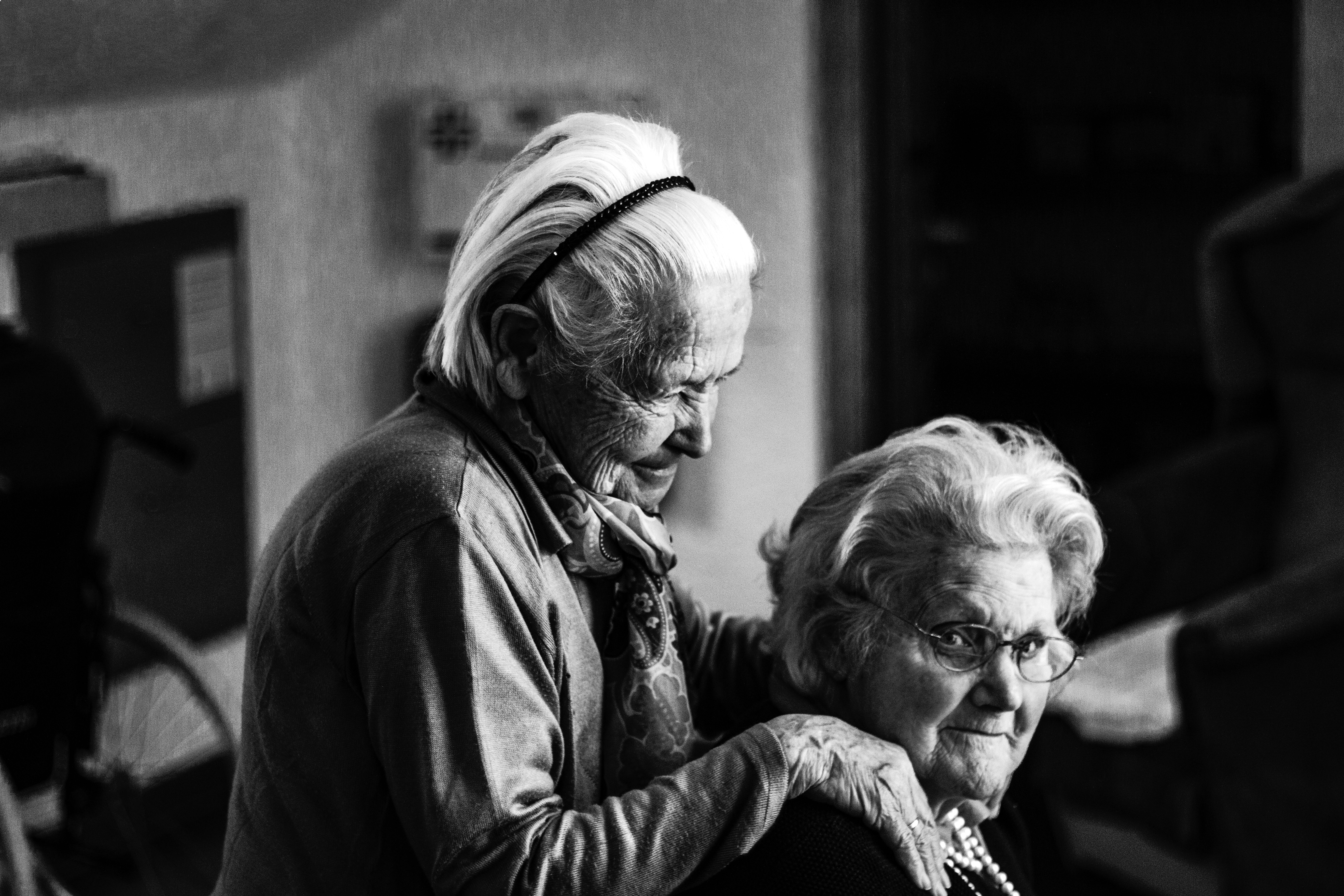
STAYING CONNECTED THROUGH COVID-19 CRISIS


Social connection is so important during this time, here are some tips on staying connected to others during this time. Remember – we are all in this together.
If there is someone you think may struggle through social isolation, it is important to reach out to them and let them know you care:
Call them to check on their welfare
Send an email
Leave a note under their door
Don’t underestimate the power you have to offer hope to another person.

PATIENT PERSPECTIVE: HAVING IBS CAUSES ME SO MUCH ANXIETY


I am 62 years old and have been dealing with symptoms of IBS for close to 15 years. I’ve had countless accidents in public – at events, friends houses, you name it.
The early days of having the condition were mortifying to me – I got pretty good at coming up with all sorts of excuses for why I need to leave a party or event early. But the isolation I think may be the worst. I just always felt like there was no one I could talk to about it and no one who would understand.
Luckily, my family has been supportive. They don’t say much about it and just try to help with what they can. I know now to bring back up clothes and cleanup supplies everywhere I go. I’ve also worked a lot with my doctor to develop an evolving treatment plan and ways to manage my IBS.
This condition has been so embarrassing for me and has caused me a great deal of stress throughout my life. I’m constantly worried about having an accident, but that just makes me even more anxious and in turn triggers more accidents. It’s a vicious cycle that is so hard to break.
The biggest things that have helped me are exercise, watching my diet, and taking up meditation. I find that exercising daily is a great stress reliever and also helps to get things moving, if you know what I mean. It’s been a long road of trial and error to determine a diet that works for me, but cutting out beans, gluten, and sugary foods has seemed to really help. Keeping a diary of what you eat and drink each day, and how it affects your bowels, can be a huge help in determining triggers and patterns. (Download our free diaries here!)
Finally, meditation has been a complete game changer. I’ve taken some classes, done a lot of self study, and have even found apps that have helped guide me through the process. Whenever I start feeling overwhelmed or anxious, even just a quick 5-minute meditation can be enough to calm my nerves, and seemingly, my bowels. I encourage everyone to give it a try – what do you have to lose?
I think the most important thing is for people to keep some perspective on life and know that while this condition is a constant struggle, it doesn’t have to be limiting unless you allow it to be. Talk with your doctor, a nutritionist, a therapist – or all three if it helps! Find ways to manage it and cope with the stress. It really makes all the difference.
Sherri K.,
Baton Rouge, LA

PATIENT PERSPECTIVE: ROGER’S STORY

I see it all the time – the ads for OAB, featuring these women who have to run to the bathroom every five minutes. They’re always women, right? You never see a man in these ads. But I’m a man, and quite frankly, I feel a little left out.

I have OAB. I’ve lived with this condition for the past several years. I don’t have any known reason for it – I’ve never had prostate issues, am not on many medications, and rarely get bladder infections. But the urge to use the bathroom strikes me often and it’s pretty annoying. I usually make it in time, but have had the occasional leak. I’ve talked with my doctor about it but after he determined that my prostate was normal, he sort of brushed it off for a while – I don’t think he’s used to hearing a man come in with this type of problem unless it’s prostate related. But I finally was persistent enough that he prescribed some medication.

I experienced so many negative side effects from each medication I tried over the course of several months that I stopped them completely. It was then that my doctor finally recommended Botox. Yes, I had Botox injected into my bladder. And I have to say it was one of the best things that happened to me. It took almost no time to work, I didn’t need to use a catheter (I guess some people need to), and it lasted about 6-7 months before I had to go back in for another treatment.

It took some pushing on my part, but I was able to get treatment for my OAB. If you’re a man with this condition, don’t let it control you, and don’t believe there’s not a treatment available for you. The media and drug companies focus on women because it’s more common for them to have these types of issues, but men can have them just as easily. And the medications and procedures work just as well for us.
Do something about your OAB. I’m so glad I persisted and got treatment for it. It helps me live a fuller life without the worry of overactive bladder.

Roger S., New York, NY

PATIENT PERSPECTIVE: OVERCOMING OVERACTIVE BLADDER

When I was in my early forties, I suddenly found myself rushing to the bathroom constantly. The urge would strike without warning causing me to sprint there lest I want to have an accident everywhere. It wasn’t too big of a deal when I was at home – I was typically able to make it to a bathroom, but when I was in an unfamiliar place, I’d feel panicked until I knew where every toilet in the place was, just in case I needed to make a mad dash to one.

I had been at stay at home mom for the last several years, caring for my youngest daughter, but when she finally started school, I decided it was time to return to the working world. But first, I resolved to get my bladder under control – I didn’t want to be rushing from meeting to meeting with important clients with the fear of peeing my pants.

I visited my doctor and found out that I had Overactive Bladder. It’s where your bladder has sudden spasms that cause you to feel the need to empty it – even if you just went. He prescribed a medication, which helped a lot and made me feel more confident as I returned to work. I’m now exploring a procedure involving nerve stimulation that is supposed to be even more effective and won’t require me to take medications every day.

I’m so happy I got this treated before returning to work, and wish I would have done it sooner! It would have made heading to the park with my daughter much less daunting! Don’t wait to see a doctor if you have OAB. Turns out there are lots of things that you can do to treat this common (but not normal!) problem.

Jane F.
Portland, OR

PATIENT PERSPECTIVE: YOU DON’T HAVE TO BE OLD TO HAVE INCONTINENCE


What do you think of when you think of someone who has bladder leaks? Is it an elderly woman sitting in a nursing home? An older gentleman experiencing prostate issues? Those are the common images that come to mind for most people. But I have suffered from bladder leaks for 5 years, and they started when I was just 27.
That was when I had my first child. About 6 weeks after I delivered, I was diagnosed with a prolapsed bladder. That’s when your pelvic floor muscles are so weak that your bladder caves in to your pelvic region. It causes a lot of discomfort – heaviness and even pain after long days on my feet. My doctor said it would get better as I healed, and it did, but not nearly as much as I had hoped.
To make matters worse, because my pelvic floor was so compromised, I started having bladder leaks almost immediately after the birth of my son. They were embarrassing, and hard to deal with, especially as I was learning to care for a baby. I felt like I was too young, that this shouldn’t be happening to me.
Finally, after years of suffering, I started physical therapy. I had no idea there were PTs who treated these specific types of condition. PT has done me a world of good, although I still experience some leaks. But I am brave enough now to seek treatment and know, from researching the condition and learning more about it, that there are many treatments out there that I can try.
Don’t let bladder leaks hold you back. And don’t think they can’t happen to you if you’re young. Incontinence is a condition that too few of us talk about it. Maybe if more of us did, it wouldn’t be so hard to find the courage to seek help. It took me 3.5 years to finally talk to someone. Don’t be like me. Get educated. Seek treatment. Get your life back.
Sierra P., Orlando, FL

PATIENT PERSPECTIVE: IT DOESN’T MATTER HOW OLD YOU ARE – INCONTINENCE IS NOT NORMAL!

At 70 years old, you’d think that I’d have come to terms with having incontinence. But time has a way of making you see that some things you thought were normal actually weren’t at all.

The leaks started in my 50’s and at the time, I chalked it up to just growing older. I started wearing absorbent pads for protection and just went on living my life. My leaks started to get worse as I got older, and in my late 60’s I finally talked to my doctor about it. He asked me during a routine check up about my bladder habits and I told him I’d been having leaks for years. I tried to brush it off like it was no big deal (it was a bit embarrassing to talk about), but he kept pressing me, asking me more details and taking notes.

Finally, he told me that he wished I had told him about the leaks sooner, since there is so much that can be done to treat bladder leaks. He said no one should have to live with bladder control issues and that it absolutely is NOT a normal part of aging.

I felt so foolish for having believed all those years that it was just my body breaking down, getting older. Turns out that I was able to start a medication that really helped eliminate (mostly) my accidents. And there are even more treatments besides medications that I can try if I decide to.

Now that I’ve treated my incontinence, I feel freer at 70 years old than I did when I was in my late 50’s. I only wish I had opened up about it sooner to my doctor.

Don’t wait to talk about it. Don’t let the years pass you by living with incontinence. It’s just not worth it when so much can be done.
Abby M.,
Boston, MA

What Is A Nursing Diagnosis and Care Plan?

Senior lady wearing a helmet sunglasses and a scarf riding her scooter directly at the camera with a wide smile of pleasure.

The Purpose of the Written Care Plan
• Care plans provide direction for individualized care of the client. A care plan flows from each patient’s unique list of diagnoses and should be organized by the individual’s specific needs.
• Continuity of care. The care plan is a means of communicating and organizing the actions of a constantly changing nursing staff. As the patient’s needs are attended to, the updated plan is passed on to the nursing staff at shift change and during nursing rounds.
• Care plans help teach documentation. The care plan should specifically outline which observations to make, what nursing actions to carry out, and what instructions the client or family members require.
• They serve as a guide for assigning staff to care for the client. There may be aspects of the patient’s care that need to be assigned to team members with specific skills.
• Care plans serve as a guide for reimbursement. Medicare and Medicaid originally set the plan in action, and other third-party insurers followed suit. The medical record is used by the insurance companies to determine what they will pay in relation to the hospital care received by the client. If nursing care is not documented precisely in the care plan, there is no proof the care was provided. Insurers will not pay for what is not documented.

The goal as established in a nursing care plan — in terms of observable client responses — is what the nurse hopes to achieve by implementing nursing orders. It is a desired outcome or change in the client’s condition. The terms goal and outcome are often used interchangeably, but in some nursing literature, a goal is thought of as a more general statement while the outcome is more specific. For example, a goal might be that a patient’s nutritional status will improve overall, while the outcome would be that the patient will gain five pounds by a certain date.
Nursing orders are instructions for the specific activities that will perform to help the patient achieve the health care goal. How detailed the order is depends on the health personnel who will carry out the order. Nursing orders will all contain:
• The date
• An action verb like “monitor,” “instruct,” “palpate,” or something equally descriptive
• A content area that is the where and the what of the order, for example, placing a “spiral bandage on the left leg from ankle to just below the knee”
• A time element will define how long or how often the nursing action will occur
• The signature of the prescribing nurse, since orders are legal documents.
Finally, in the evaluation, the client’s health care professionals will determine the progress towards the goal achievement and the effectiveness of the nursing care plan. The evaluation is extremely important because it determines if the nursing interventions should be terminated, continued or changed.