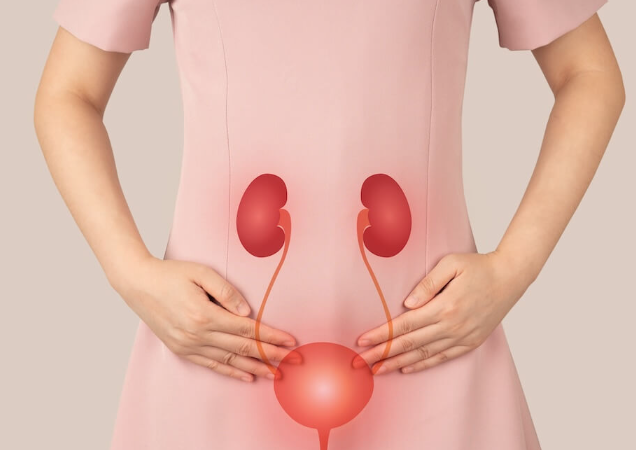
Understanding Overflow and Constipation: What You Need to Know.
Constipation is a common digestive complaint, affecting people of all ages. But what happens when constipation leads to something even more complicated? One such condition is overflow incontinence—a lesser-known but important issue often misunderstood or overlooked.
In this post, we’ll break down what overflow and constipation mean, how they are related, and what you can do to manage or prevent them.
What Is Constipation?
Constipation occurs when bowel movements become infrequent or difficult to pass. It’s generally defined as having fewer than three bowel movements per week. Stool can become hard and dry, making it painful to pass.
Common causes of constipation include:
- Low fiber diet
- Inadequate fluid intake
- Lack of physical activity
- Certain medications (e.g., opioids, iron supplements)
- Medical conditions like hypothyroidism, IBS, or neurological disorders
What Is Overflow?
Overflow fecal incontinence happens when the rectum becomes so full due to chronic constipation that it stretches and weakens over time. Eventually, liquid stool from higher up in the intestines leaks around the impacted stool and escapes involuntarily.
This can be confusing because it may seem like diarrhea. But in reality, it’s the body’s way of dealing with a blockage caused by impacted stool.
Signs of overflow incontinence include:
- Frequent leaking of stool (especially liquid)
- A feeling of incomplete evacuation
- Abdominal discomfort or bloating
- Episodes of soiling underwear without awareness
Who’s at Risk?
Anyone with chronic constipation is at risk for overflow incontinence, but certain groups are more vulnerable:
- Older adults
- Individuals with limited mobility
- People with neurological conditions (e.g., Parkinson’s disease, spinal cord injury)
- Children with chronic stool withholding
Diagnosis and Treatment
A proper diagnosis is key. This may involve a physical exam, abdominal X-rays, or a digital rectal exam. In some cases, a referral to a gastroenterologist is necessary.
Treatment focuses on:
- Clearing the impaction – This may involve enemas, suppositories, or oral laxatives under medical supervision.
- Establishing regular bowel habits – Encourage routine toilet times, especially after meals.
- Dietary changes – Increase fiber (fruits, vegetables, whole grains) and fluids.
- Medications – Stool softeners or gentle laxatives may be prescribed.
- Behavioral interventions – For children or patients with cognitive impairments, behavioral therapy may help reduce stool withholding.
Prevention Tips
Preventing overflow and constipation is always better than treating it:
- Stay hydrated – Aim for at least 6–8 glasses of water daily.
- Eat fiber-rich foods – Target 20–30 grams of fiber per day.
- Move your body – Physical activity stimulates digestion.
- Don’t ignore the urge – Holding it in can lead to problems.
- Routine helps – Especially for children and elderly individuals.
When to See a Healthcare Provider
If you or a loved one experiences persistent constipation, stool leakage, or abdominal discomfort, don’t ignore it. Early treatment can prevent complications like fecal impaction, hemorrhoids, or overflow incontinence.
At Sheehan Health, we’re here to help you manage your digestive health with compassion and expertise. Schedule an appointment with one of our providers today.