fbpx

PATIENT PERSPECTIVE: HOW DO I TELL MY WIFE I HAVE INCONTINENCE?

I’ve been incontinent for 1 year now, and my wife has no idea. (At least I don’t think she does). You see I’ve gone to great lengths to hide it from her. It’s not like I leak all the time, but a few times a week I find myself unable to make it to the bathroom in time and I have an accident. It horrifies me, since this has never happened before.
My doctor tells me I have an enlarged prostate. This, my wife knows. I’m sure she also knows some of the symptoms, since she’s the type to do research on this stuff. But I haven’t told her I suffer from bladder leaks.
I keep spare underwear hidden in the car. I limit my fluids when I know we’re going to be out. I always scout out the nearest restroom in case I need to make a beeline to it. I even decline certain events if I think there’s a risk I may have an accident. I feel like I’m living as a secret agent with this condition – always trying to stay 1 step ahead.
You’re probably wondering why I haven’t told her. Talking with your spouse about something that embarrasses you is never easy. But for me, this is devastating. I’ve always been her “tough guy”. The one who fixes up old cars, goes bowling with the guys on Tuesdays, can handle pretty much anything anyone throws my way. But this is different. It’s made me feel like less of a man. And I feel embarrassed that I can’t control something as simple as my bladder.
I know it’s more complicated than that, but I just can’t help thinking “What will she think of me?” “Will she still find me attractive?” “Will she think less of me?”
We’ve always been so spontaneous. Running out at a moments notice to meet up with friends at a pub. Jumping on those last minute flights to somewhere tropical. Going to shows and concerts and ball games. I still want to be that person. That guy who does all the fun stuff. But these bladder leaks are getting in the way of that.
I know we’re getting older, but I still just want her to look at me like she always has, and I’m so scared this will change that.
I’m planning to tell her soon. I know that it’s probably better to just get it out there, Knowing my wife, she’ll probably jump right in and try to help. She’s awesome like that.
And, I’m sure her knowing will probably be good for me. We’ll find ways to deal with it together. We’ll find solutions for this condition that I know are out there but I’ve been too stubborn or embarrassed to seek out. It will be better. She will help me make it better.
But the thought of having that conversation with her is still scary as hell. The telling is really the hardest part of all of this. Wish me luck.
Anonymous

PATIENT PERSPECTIVE: INCONTINENCE LED TO MY DEPRESSION


PATIENT PERSPECTIVE: INCONTINENCE LED TO MY DEPRESSION
Many people know the symptoms of incontinence – leaky bladders, the need to wear protection or take medications, etc. But few people know about how incontinence can make a person feel.
I’ve suffered with incontinence for the past 10 years, and over that time, I have become severely depressed. Incontinence is not just a condition that causes you to wet your pants. It fundamentally changes who you are. It’s like this dark cloud that constantly hangs over your head, following you all the time, and threatening to break open at any given moment.

When I first started experiencing the leaks, it was not that often and I was able to dismiss them, thinking they were just flukes. But as they became more common, I found that I was always terrified of having an accident in public. I was ashamed, and kept my secret from my family and friends, which led to a divide in our relationships that I could never bridge.
I started not doing many of the things I had done before – bowling with the guys, taking trips with my family. I felt embarrassed and ashamed of my condition. To be honest, I still do.
I wish I could say that I’ve found the courage to talk to someone, but I haven’t. My wife does know now (it was hard to hide it), and she is supportive, but it’s a humiliating thing to have to talk about to the one you love. She’s urging me to go to the doctor, which I guess I will. Hopefully there I will finally find relief.
Anyone who thinks that incontinence is only about wetting yourself is dead wrong. It’s so much more than that. It’s limited my life in more ways than I could have ever imagined and caused me so much anxiety and anguish that sometimes it’s alI I can think about. I’m hopeful that one day I’ll be able to say differently.

Providence, RI Henry M., 62

How to Keep Your Bowels Healthy in 2020

How to Keep Your Bowels Healthy in 2020

To maintain or achieve a healthy bowel, it is important to eat meals regularly to boost metabolism, ideally three times a day. Food choices are important in the maintenance of a healthy bowel.
A healthy metabolism will promote a healthy weight, overall health and wellbeing. Eating breakfast everyday will boost your metabolism and aid overall health of your digestive system.
The bowel needs fibre to assist with production of a healthy stool and to stimulate a bowel movement.
Fibre rich foods include:
• Wholegrains including breakfast cereals, whole wheat pasta and rice, wholegrain bread and oats
• Fruit such as berries, pears, melon and oranges
• Vegetables such as broccoli, carrots and corn
• Peas, beans and pulses such as lentils, kidney beans and butter beans
• Nuts and seeds – including almonds, hazelnuts and pumpkin seeds
• Potatoes with skin on – boiled or baked

To increase your fibre intake you could:
• Choose a high fibre breakfast cereal e.g. wholegrain cereal like whole wheat biscuit cereal, bran flakes or porridge. Try adding some fresh fruit, dried fruit, seeds and/or nuts
• Go for wholemeal or seeded wholegrain breads
• Choose wholegrains like whole wheat pasta, bulgur wheat or brown rice
• Eat potatoes with skins on baked potato, wedges or boiled new potatoes
• For snacks try vegetable sticks, rye crackers, oatcakes, unsalted nuts or seeds
• Include plenty of vegetables with meals especially green leafy vegetables such as Kale and Spinach
• Add pulses like beans, lentils or chickpeas to stews, curries and salads

PATIENT PERSPECTIVE: LARRY’S STORY

I’m 68 years old and I have incontinence. I’ve suffered a lot of setbacks over the years. I lost a finger in the army. I suffer from high blood pressure. And I have an old football injury that flares up regularly. But I have never suffered as much shame and humiliation as I have since I started experiencing incontinence.
It started innocently enough – a leak here and there. My doctor said it was due to prostate problems and gave me some medication to help. It did for a while, but then the leaks flared up again and I was forced to admit that this problem was not going away.
My first trip to the grocery store to purchase incontinence pads was a doozy. Standing there, looking at the wall of options was so intimidating. What do I choose? What size? How do I know it will fit? What if it doesn’t – can I return the bag? I had so many questions and no one to ask – after all, it’s not like men just talk about peeing their pants with each other all the time. Not to mention I kept looking over my shoulder to make sure that no one I knew saw me standing there. It would be so embarrassing to be “caught” in this situation.
When I finally got home, I started trying out the various absorbent products that I had purchased. I had bought 3 different types and gave each one a fair shot for a full day before making the call. Unfortunately, none of them worked so I was back to the drawing board.
Fortunately, my wife found a company online that sold different products so I gave it a shot. I don’t know why I didn’t start with this option in the first place. They offered a free consultation so I gave them a call. The rep was so helpful and it was great having a guide to walk me through the different options, and also learn more about me, my condition and my lifestyle to help find something that would work best for me.
These days, I only use online services to order absorbent products. And, I’ve found great products that help me keep my leaks controlled, and my condition under wraps so no one is the wiser.
I still don’t love having incontinence, but it’s become such a normal part of life now that it doesn’t have the same hold on me as it once did. I didn’t envision this happening to me, but am happy to know that there are resources out there to help and products available that can make it more manageable. I feel free to live my life without fear of leaks and that is something to be really proud of.
Larry B., Seattle, WA

HOW MUCH EXERCISE SHOULD YOU GET?

According to the Mayo Clinic, you should get at least 150 minutes of aerobic activity, or 75 minutes of vigorous aerobic activity a week (or some combination of the two). It’s suggested that you spread this out over the course of a week so that might look like about 30 minutes of moderate activity most days of the week.
It’s also recommended that you do strength training for all your major muscle groups at least two times a week. You should be able to do one set of a single exercise with about 12-15 reps using your body weight or some other type of weight to create resistance so that your muscles tire out during that time.
Of course, the more exercise you do, the greater the benefit, but even a little exercise is better than none and can be helpful. And, small amounts can add up. If you think you don’t have time for 30 minutes a day, check out these tips below to learn ways to sneak in those 30 minutes without even really noticing!

HOW TO SNEAK MORE EXERCISE INTO EVERY DAY
Working in more exercise throughout your day doesn’t have to be time consuming. Breaking up your workout sessions into chunks is just as effective as doing one 30-minute routine. Here are a few ways to sneak workout in at home, at work, or anywhere!

AT HOME:
1. Wake up 10 minutes earlier and you’ll find that you can do a lot. A quick walk around the block, a morning yoga session, or even walking up and down the stairs several times can help you get moving. Plus, you’ll start your day knowing you’ve already clocked in 10 minutes of exercise – Win!
2. Workout while watching TV. Turn your down time into workout time by adding in some easy moves. Doing squats, push-ups, running on a treadmill, or riding a stationary bike all seem easier when you’re watching your favourite show. Or, if you’re watching live TV, resolve to workout during the commercials!
3. Take advantage of idle time. You likely have a lot of time when you’re just standing around. Whether it’s doing lunges or sit-ups while the microwave is going, or doing calf raises while brushing your teeth, you’ll find that it’s pretty easy to sneak in about 10 extra minutes a day of workout moves just by utilizing the time you normally spend waiting on something else to happen.

AWAY FROM HOME
1. Park further away, or take a longer route. We know – it’s so tempting to grab that parking spot that’s closest to the door. But parking a bit further away, or taking the scenic route to walk to your destination can add up over time if you’re consistent. It’s a great way to get in those extra steps!
2. Replace a bad habit with exercise. Do you tend to reach for a glass of wine or a beer when you get home from work? Or do you have the after-dinner munchies on the regular? Try working in some exercise to get the added health benefit and break that bad habit. Go for a walk each evening before or after dinner to fight the cravings you might have if you’re just hanging around at home.
3. Meet up with friends for a social workout. It’s hard to fit everything into our busy lives these days, but you can kill two birds with one stone by working exercise into your social life. Do you normally meet a friend for coffee? Try grabbing your coffee to go and walking around while you catch up instead of sitting at the coffee shop. Or enlist a buddy to try a new workout class with you. You don’t even have to call it a “workout” – just catching up on the go to encourage other people to join you! You’re more likely to stick with an exercise routine if you have someone else holding you accountable. Plus, working out with someone else makes it more fun!

3 NEW YEAR RESOLUTION IDEAS TO INSPIRE YOU!

The start of a new year is the perfect time to make a refreshing change in your life. Not sure where to start, we suggest 3 goal ideas.

1. Connect with people in my community
Loneliness can really bring people down and if you think you need to connect with more people, making a goal to meet new people is a good idea. You can do this by checking out what groups your local council has, or join community groups. You could find a games group because you love playing games. Or maybe you want to find a reading group because you love reading books. It can be scary to get out and meet people for the first time, but chances are that if you’re going to a group on something you’re interested in, you’ll always have something to connect on. Also have a look on which positive Facebook groups are out there, that’s a fun and easy way to connect with people online.

2. I would like to increase my fitness
Maybe your goal can be to get fit and no matter what type of body you have everyone can learn to get fitter, stronger and healthier. You can go to the gym with some friends who will motivate you, you could do wheelchair yoga or ask your occupational therapist (if you have one) for some new exercise ideas. Or maybe you want to walk more around your community by either taking your dog or take a friend or even take part in a walking group. Also, always be mindful with what food you’re putting into your belly as good healthy food will make you feel good too!

3. I would like to feel happier
We all want to feel happy right? Well, one of the easiest ways to do this is simply by changing the way you think. There is always a positive in everything, you just have to dig deeper to find it.

Motivational poster on disability. Hand drawn lettering.

What Are Probiotics?

Prebiotics and probiotics are important for our health, and both pretty big topics in nutrition these days. Yet even though they sound similar, the two play different roles for your health.
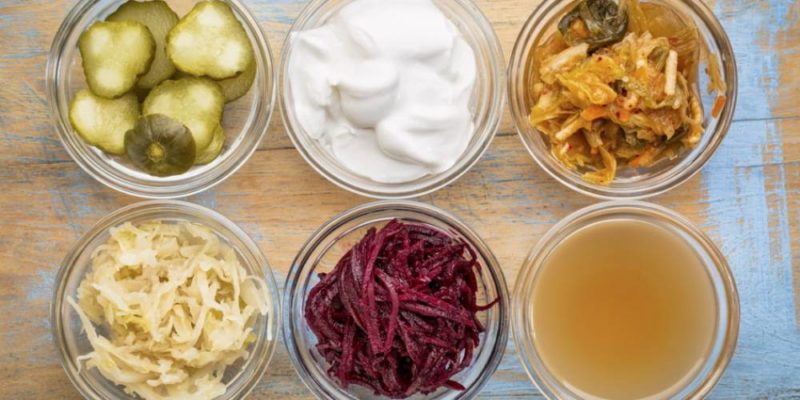
• Probiotics are live, beneficial bacteria naturally found in fermented foods, including kombucha, kefir, sauerkraut, and tempeh; and supplements.
• probiotics enhance the gut microbiome which is the collection of beneficial bacteria in your digestive tract that helps regulate inflammation, immune function, digestion, and heart health.
Eating balanced amounts of both pro- and prebiotics can help ensure that you have the right balance of these bacteria, which should improve your health.

An Afternoon Lie Down…

Nocturia (Night Time Urination) symptoms can occur when changing position from being upright to lying flat for the main sleep period. This change in position signals that your body is at rest and after a while, your kidneys will function more productively. Their function includes filtering the body’s blood and producing urine, which may give someone the urge to wake up to go to the bathroom.

If someone starts this process earlier and lies down in the correct position during the day, the excess fluid that may be in someone’s legs has the chance to drain away and flow through the kidneys. Therefore, urine is made earlier in the day or the evening, rather than at night.

Vitamin D

The benefits of supplements are undeniable and it’s the same with vitamin D. The effects of vitamin D on the body are wide and can include improving absorption of magnesium, calcium, and phosphate. In this group of vitamins, the compounds Vitamin D2 and Vitamin D3 are the most valuable to us humans. Vitamin D plays an important role in promoting:
– healthy bones/teeth
– Supporting immune, brain, and nervous system health
– Maintaining healthy insulin levels and diabetes control
– Lung function
– Heart health
Foods that are naturally high in vitamin D include:
– Fish (especially salmon)
– Mushrooms
– Fortified milk
– Fortified Tofu
– Fortified Yogurt
– Fortified Orange juice
– Eggs including yolks
– Pork
The benefits of vitamin D can be wide-ranging and benefit us in many ways, but what happens when we have a deficiency in our vitamin D intake? The causes of a vitamin D deficiency can be numerous. For instance, those with dark skin or use sunscreen can minimize our body’s ability to produce vitamin D by reducing our ability to absorb UV-B rays emitted from the sun. It is the absorption of these rays that allow our skin to produce vitamin D. Also, those who live in northern latitudes or are exposed to higher levels of pollution should consider supplements or a diet with higher levels of vitamin D since they may receive lower amounts of UV-B rays from the sun.

Alzheimers Research

Alzheimer’s disease, the most common cause of dementia among the elderly, is characterized by plaques and tangles in the brain, with most efforts at finding a cure focused on these abnormal structures. But a University of California, Riverside, research team has identified alternate chemistry that could account for the various pathologies associated with the disease.

Plaques and tangles have so far been the focus of attention in this progressive disease that currently afflicts more than 5.5 million people in the United States. Plaques, deposits of a protein fragment called beta-amyloid, look like clumps in the spaces between neurons. Tangles, twisted fibers of tau, another protein, look like bundles of fibers that build up inside cells.

“The dominant theory based on beta-amyloid buildup has been around for decades, and dozens of clinical trials based on that theory have been attempted, but all have failed,” said Ryan R. Julian, a professor of chemistry who led the research team. “In addition to plaques, lysosomal storage is observed in brains of people who have Alzheimer’s disease. Neurons — fragile cells that do not undergo cell division — are susceptible to lysosomal problems, specifically, lysosomal storage, which we report is a likely cause of Alzheimer’s disease.”

Study results appear in ACS Central Science, a journal of the American Chemical Society.

An organelle within the cell, the lysosome serves as the cell’s trashcan. Old proteins and lipids get sent to the lysosome to be broken down to their building blocks, which are then shipped back out to the cell to be built into new proteins and lipids. To maintain functionality, the synthesis of proteins is balanced by the degradation of proteins.

The lysosome, however, has a weakness: If what enters does not get broken down into little pieces, then those pieces also can’t leave the lysosome. The cell decides the lysosome is not working and “stores” it, meaning the cell pushes the lysosome to the side and proceeds to make a new one. If the new lysosome also fails, the process is repeated, resulting in lysosome storage.

“The brains of people who have lysosomal storage disorder, another well-studied disease, and the brains of people who have Alzheimer’s disease are similar in terms of lysosomal storage,” Julian said. “But lysosomal storage disorder symptoms show up within a few weeks after birth and are often fatal within a couple of years. Alzheimer’s disease occurs much later in life. The time frames are, therefore, very different.”

Julian’s collaborative team of researchers in the Department of Chemistry and the Division of Biomedical Sciences at UC Riverside posits that long-lived proteins can undergo spontaneous modifications that can make them undigestible by the lysosomes.

“Long-lived proteins become more problematic as we age and could account for the lysosomal storage seen in Alzheimer’s, an age-related disease,” Julian said. “If we are correct, it would open up new avenues for treatment and prevention of this disease.”

He explained that the changes occur in the fundamental structure of the amino acids that make up the proteins and is the equivalent of flipping the handedness of the amino acids, with amino acids spontaneously acquiring the mirror images of their original structures.

“Enzymes that ordinarily break down the protein are then not able to do so because they are unable to latch onto the protein,” Julian added. “It’s like trying to fit a left-handed glove on your right hand. We show in our paper that this structural modification can happen in beta-amyloid and tau, proteins relevant to Alzheimer’s disease. These proteins undergo this chemistry that is almost invisible, which may explain why researchers have not paid attention to it.”

Julian explained these spontaneous changes in protein structure are a function of time, taking place if the protein hangs around for too long.

“It’s been long known that these modifications happen in long-lived proteins, but no one has ever looked at whether these modifications could prevent the lysosomes from being able to break down the proteins,” he said. “One way to prevent this would be to recycle the proteins so that they are not sitting around long enough to go through these chemical modifications. Currently, no drugs are available to stimulate this recycling — a process called autophagy — for Alzheimer’s disease treatment.”

The research was done in the lab on living cells provided by Byron D. Ford, a professor of biomedical sciences in the School of Medicine. The findings could have implications for other age-related diseases such as macular degeneration and cardiac diseases linked to lysosomal pathology.

Julian and Ford were joined in the research by Tyler R. Lambeth (co-first author), Dylan L. Riggs (co-first author), Lance E. Talbert, Jin Tang, Emily Coburn, Amrik S. Kang, Jessica Noll, and Catherine Augello.

Next, the team will examine the extent of the protein modifications in human brains as a function of age. The researchers will study brains of people with Alzheimer’s disease as well as of people not afflicted by it.

Grants from the National Institutes of Health supported the study.

Story Source:

Materials provided by University of California – Riverside. Original written by Iqbal Pittalwala. Note: Content may be edited for style and length.